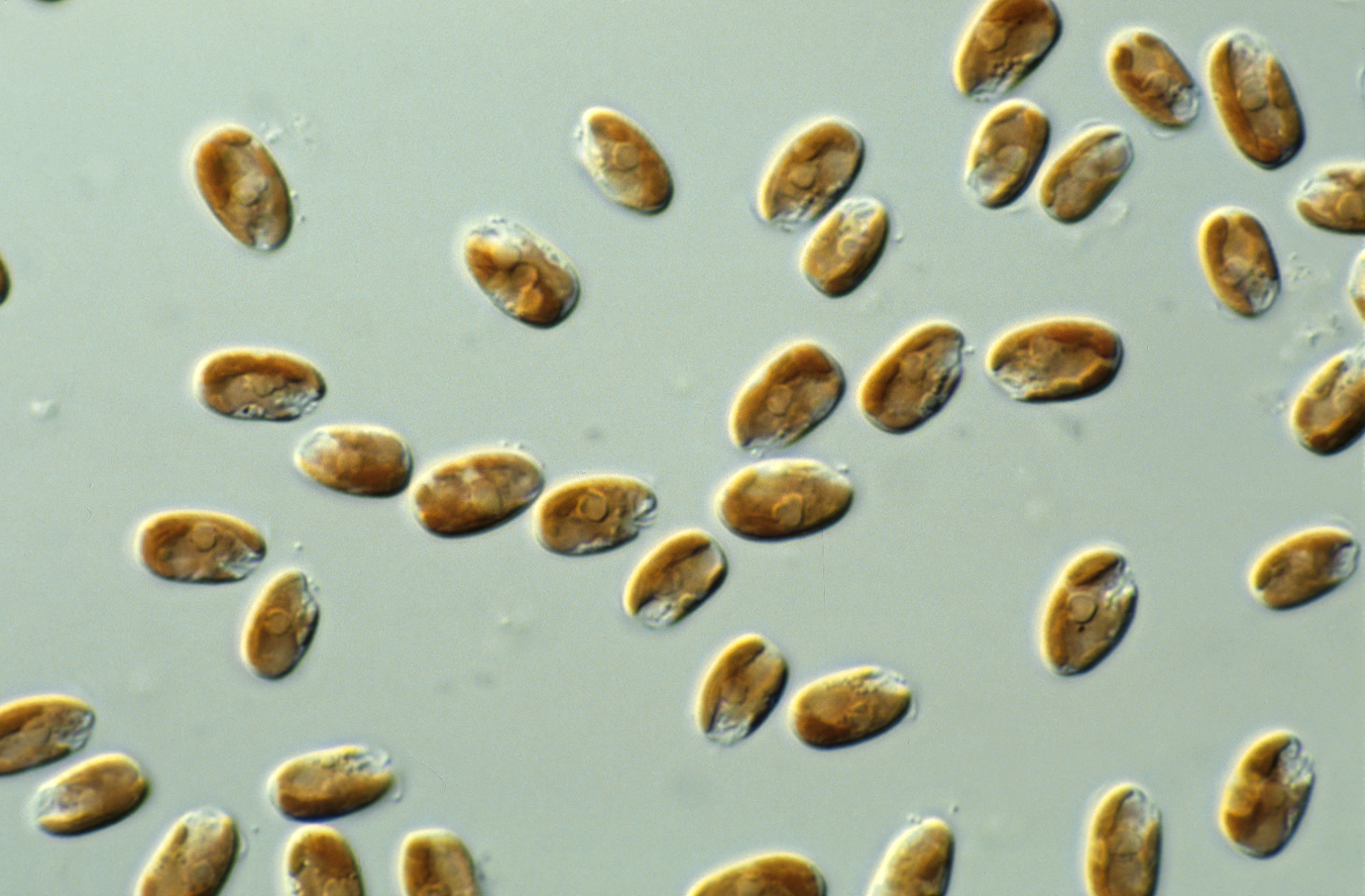
Spirulina commonly refers to filamentous cyanobacteria discussed alongside microalgae and able to grow in alkaline waters.
How to observe it
Begin with sampling or culture context, then record color, overall form, and change over time. Confident identification may also require microscopy, documented cultivation, or molecular methods.
Why it matters
As a alkaline cyanobacterium, Spirulina offers an entry point into scaled culture · biomass. This profile does not replace experimental design, expert identification, or product assessment.
Reading note
Algal names and classifications evolve with research; formal work should check current taxonomic sources.