TEAM

Connecting algal research with student development

The Algae Research Team at Guangdong Ocean University studies marine algal resources, cultivation control, bioactive compounds, and aquaculture applications while integrating responsible student research training.

Page imagery; see credits for source and use information

POSITIONING

Research positioning

From microalgal cells to macroalgal resources, the team organizes research and training around verifiable questions, responsible records, and cross-scale understanding.

In addition to microalgae and macroalgae, the team studies the culture and application of rotifers, copepods, cladocerans, and other zooplankton used as live feeds in aquaculture.

This website currently publishes only confirmed positioning and content structure. People, facilities, and specific outputs will be added after internal verification.

RESEARCH AREAS

Microalgae and macroalgae research

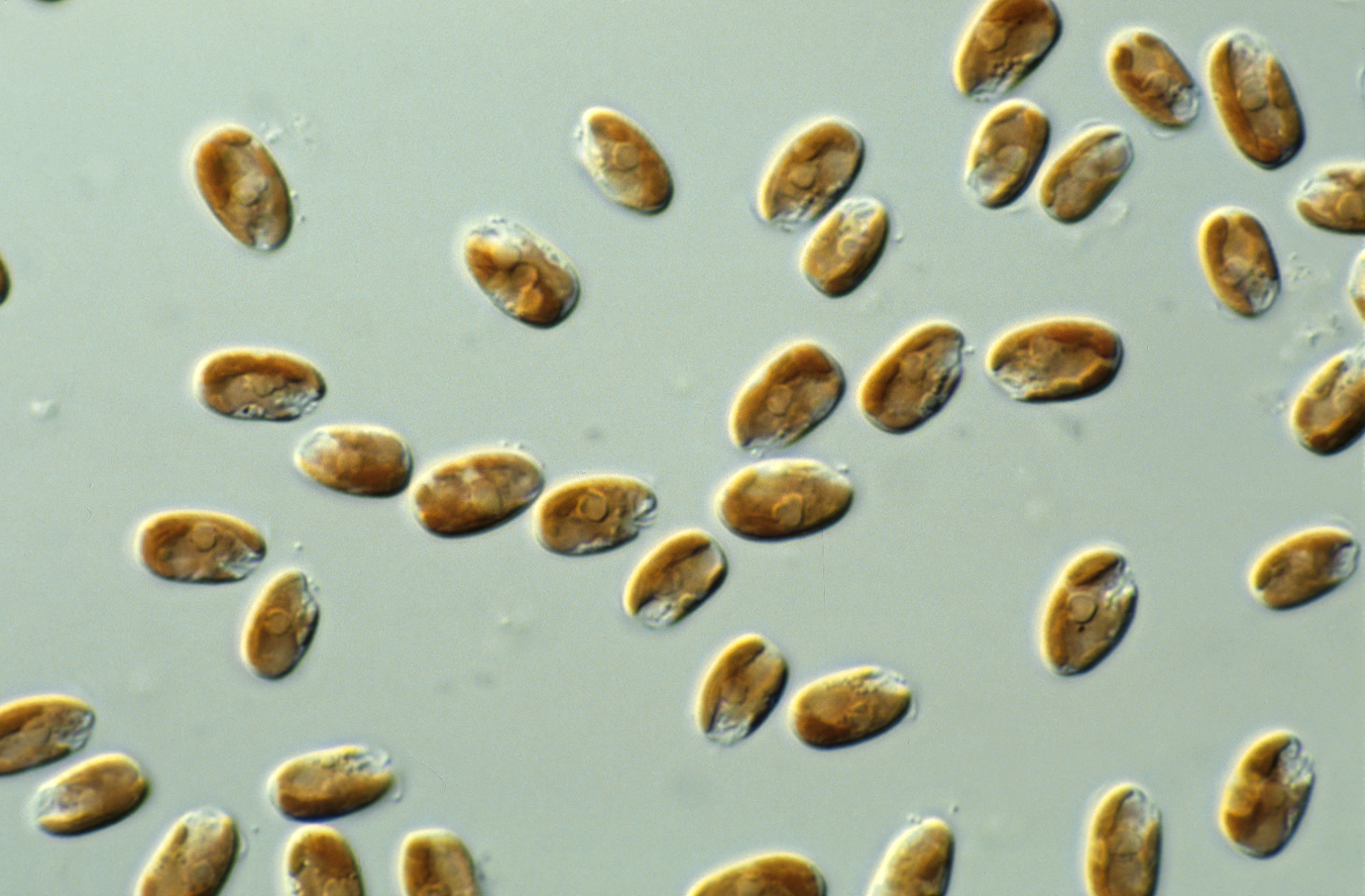
Temporary openly licensed science image

MICRO

Microalgae Research

Research interests spanning microalgal germplasm, cultivation control, metabolism, bioactive compounds, and aquaculture applications.

  • Germplasm resources and strain screening
  • Nutrition and cultivation regulation
  • Responses to light, nitrogen, carbon, and environmental factors
  • Heterotrophic, mixotrophic, and high-density cultivation
  • Carotenoids, lipids, proteins, and bioactive compounds
  • Live feed and aquaculture applications
  • Automated cultivation and online monitoring
Explore this area
User-provided image; usage scope pending confirmation

MACRO

Macroalgae Research

Research interests spanning macroalgal germplasm, physiology, cultivation, resource use, and coastal ecological applications.

  • Macroalgal germplasm resources
  • Physiological and ecological responses
  • Breeding and cultivation technologies
  • Functional components and valorization
  • Food, feed, and biomaterial applications
  • Ecological restoration and coastal ecology
Explore this area

TRAINING

Training principles

  • 01Begin with clear records, sample handling, and foundational practice
  • 02Use instruments only after safety training and on-site guidance
  • 03Separate observation, hypothesis, data, and conclusion
  • 04Prioritize reproducibility, data naming, and backup
  • 05Build research skills progressively through authentic questions

PUBLIC INFORMATION

Members and Laboratory Platform

People and platform information is shown only after its public scope is confirmed.

Team MembersMember profiles are undergoing confirmation of their public scope.
Laboratory PlatformLaboratory platforms, equipment, and publishable scopes remain subject to item-by-item team confirmation.

TRAINING & COLLABORATION

Research training and collaboration

Interested students and potential collaborators may use the team’s public contact channel to learn more; opportunities are subject to team confirmation.

View contact details